-
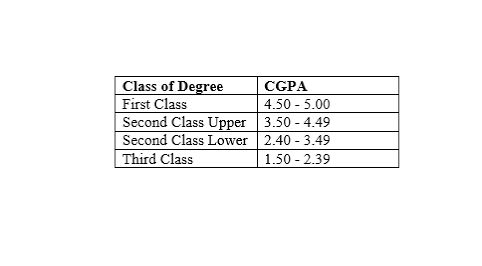
A First Class Honours degree is the highest undergraduate degree classification awarded by Nigerian universities. On the 5-point grading scale widely used across the country, a student generally needs a final Cumulative Grade Point Average (CGPA) of 4.50 to 5.00 to graduate with First Class. This means that a student who finishes with a CGPA…
-
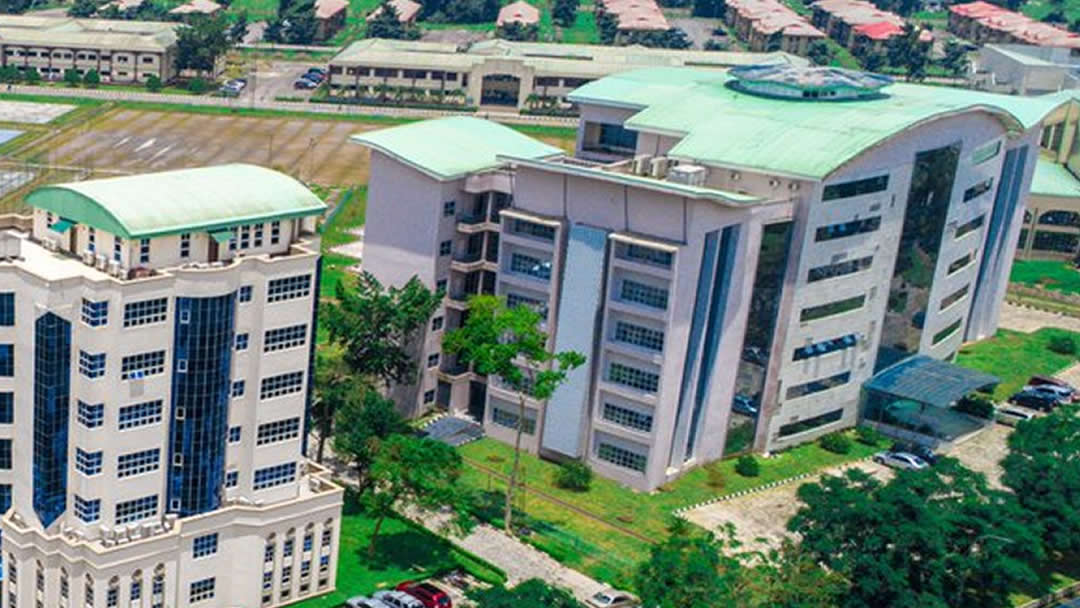
Nigeria’s private university sector has grown rapidly over the past two decades, becoming a major alternative to public institutions due to demand for quality education, stable academic calendars, and modern facilities. By 2026, Nigeria has over 180 NUC-approved private universities, making them the largest group in the country. However, they differ widely in reputation, research…
-
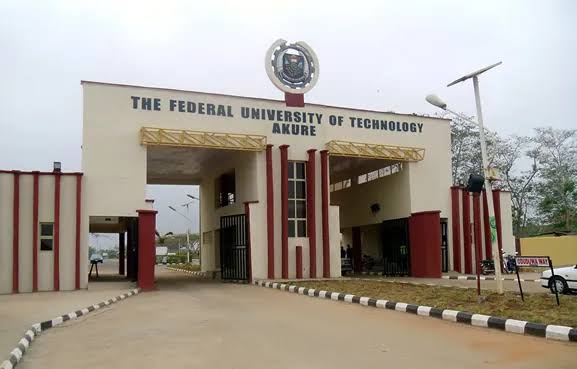
Nigeria’s demand for science, engineering, innovation, and technology-driven education has increased significantly over the last few decades. As industries continue to adopt digital transformation, automation, artificial intelligence, renewable energy, advanced manufacturing, and other emerging technologies, universities specializing in technology education have become increasingly important in preparing graduates for the modern workforce. The best universities of…
-
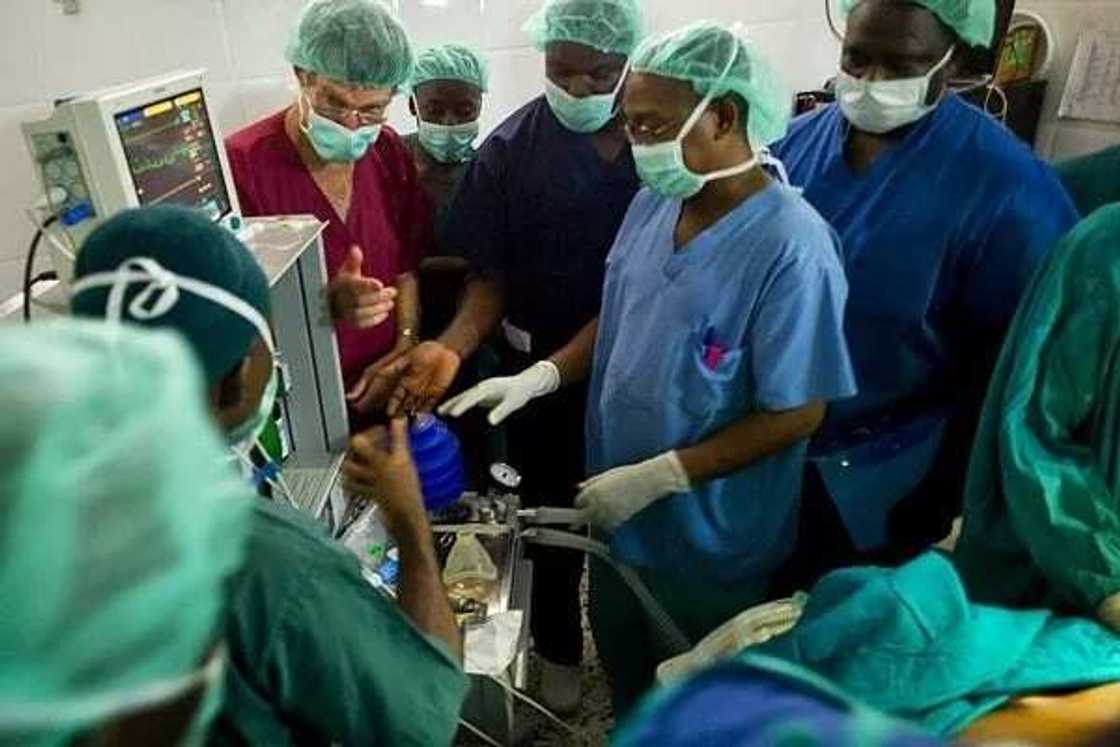
Medicine and Surgery is one of the most respected and demanding university programmes in Nigeria. Every year, thousands of students apply to study medicine because of the opportunity to become doctors and contribute to healthcare. However, many prospective students are often unsure about the actual length of the journey and how many years it takes…
-

Many polytechnic graduates in Nigeria often ask whether they are eligible for the National Youth Service Corps (NYSC) after completing their studies. Unlike university graduates, polytechnic students follow a different academic structure, which means understanding the requirements for NYSC mobilization is very important. Polytechnic graduates can participate in NYSC, but eligibility depends mainly on completing…
-
The Students Industrial Work Experience Scheme, commonly known as SIWES, is one of the most important practical training programmes for students in Nigerian tertiary institutions. It provides students with the opportunity to gain real-world work experience and apply the knowledge they learn in classrooms to actual professional environments. Many students enter higher institutions with strong…
-
Starting university in Nigeria is an exciting experience, but many new students are often surprised by the number and type of courses they are required to take in their first year. Unlike secondary school, where subjects are mostly predetermined, university education introduces students to a combination of general courses, faculty courses, and departmental foundation courses.…
-
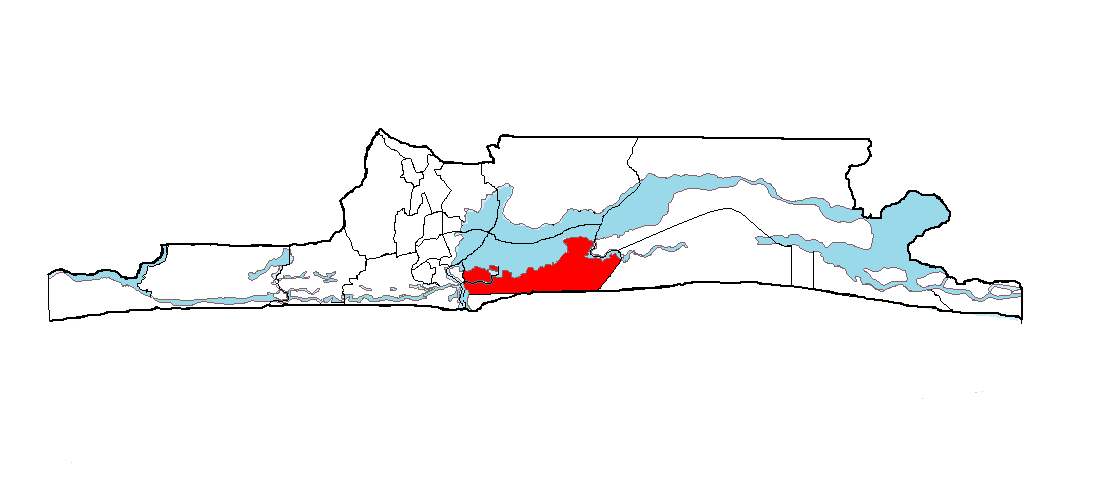
Lagos State is the economic center of Nigeria and one of the most commercially active regions in Africa. With its large population, international businesses, financial institutions, ports, industrial zones, and luxury real estate markets, Lagos generates significant economic value across its 20 Local Government Areas (LGAs). When people talk about the richest local governments in…
-

After completing the Unified Tertiary Matriculation Examination (UTME), one of the most important things every candidate wants to know is their JAMB result. Your score determines your next steps in the admission process, including selecting institutions, preparing for Post-UTME screening, and monitoring your chances of gaining admission. The Joint Admissions and Matriculation Board (JAMB) usually…
-

Academic setbacks are common experiences among university students in Nigeria, but two terms often create confusion: carryover and spillover. Many students use these words interchangeably, yet they describe different academic situations with different consequences. Understanding the difference between carryover and spillover is important because it helps students make better academic decisions, protect their CGPA, avoid…