
Nigeria’s demand for science, engineering, innovation, and technology-driven education has increased significantly over the last few decades. As industries continue to adopt digital transformation, automation, artificial intelligence, renewable energy, advanced manufacturing, and other emerging technologies, universities specializing in technology education have become increasingly important in preparing graduates for the modern workforce.
The best universities of technology in Nigeria are institutions designed to focus primarily on science, engineering, applied sciences, technological research, and innovation. Unlike conventional universities that offer a broad range of disciplines, technology universities place stronger emphasis on practical learning, engineering development, scientific research, and industry-focused training.
Nigeria’s leading technology universities have produced engineers, researchers, software developers, scientists, innovators, and technical professionals who contribute to sectors such as oil and gas, telecommunications, construction, agriculture, manufacturing, energy, and information technology.
When ranking the top universities of technology in Nigeria in 2026, several factors must be considered. These include research performance, engineering accreditation, laboratory facilities, innovation capacity, industry partnerships, graduate employability, academic reputation, and performance in national and international rankings such as Times Higher Education (THE), Webometrics, and research-based assessments.
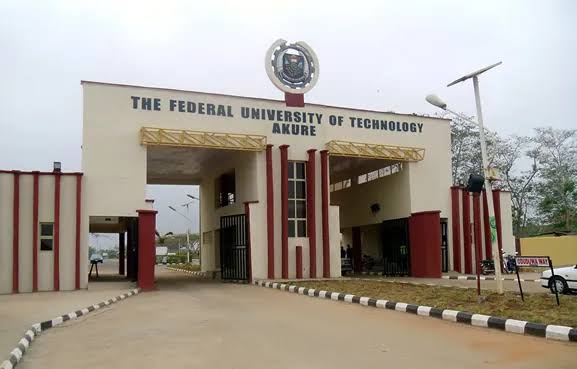
Among the institutions that consistently dominate technology education in Nigeria are the Federal University of Technology, Akure (FUTA), Federal University of Technology, Owerri (FUTO), and Federal University of Technology, Minna (FUTMINNA). These three institutions are widely regarded as the leading dedicated technology universities in the country.
However, several state and private universities have also developed strong technology programmes and continue to contribute significantly to engineering and innovation education.
The Importance of Technology Universities in Nigeria
Technology universities play a critical role in Nigeria’s economic development because they provide the technical skills required for industrial growth.
A country’s ability to develop infrastructure, improve manufacturing, expand digital services, and compete globally depends heavily on the availability of skilled engineers, scientists, and technology professionals.
Unlike traditional academic programmes that may focus more heavily on theoretical knowledge, technology universities usually emphasize practical application. Students are exposed to laboratory experiments, engineering projects, industrial training, research activities, and problem-solving approaches that prepare them for professional careers.
These institutions are particularly important because Nigeria continues to experience growing demand for professionals in areas such as software engineering, artificial intelligence, cybersecurity, renewable energy, biotechnology, robotics, environmental technology, and advanced engineering.
How the Best Technology Universities in Nigeria Are Ranked
There is no single official ranking that determines the best technology university in Nigeria. Different ranking organizations use different methods depending on their objectives.
Research output is one of the most important factors. Universities that produce high-quality scientific publications, attract citations, and contribute to technological innovation generally perform better internationally.
Engineering accreditation is another major factor. Programmes approved by professional bodies such as the Council for the Regulation of Engineering in Nigeria (COREN) demonstrate that graduates receive training that meets professional standards.
Infrastructure also plays a major role. Technology education requires advanced laboratories, workshops, research centers, computer facilities, and specialized equipment.
Graduate employability is equally important. Universities that maintain strong relationships with industries and produce graduates who succeed professionally often develop stronger reputations.
Based on these factors, the following institutions represent some of the strongest technology-focused universities in Nigeria in 2026.
1. Federal University of Technology, Akure (FUTA)
The Federal University of Technology, Akure is widely regarded as one of the leading technology universities in Nigeria and is often considered the country’s premier institution dedicated specifically to technological education.
Established in 1981, FUTA was created with the goal of developing high-level manpower in science and technology fields. Over the years, the university has built a strong reputation for engineering education, scientific research, innovation, and technological advancement.
Located in Akure, Ondo State, FUTA offers programmes across several technology-related disciplines, including engineering, computer science, environmental technology, agricultural technology, and applied sciences.
The university is particularly recognized for its engineering programmes, including civil engineering, mechanical engineering, electrical engineering, mining engineering, and metallurgical engineering. Its computer science and information technology programmes have also become increasingly important due to Nigeria’s growing digital economy.
One of FUTA’s major strengths is its research output. The university has consistently contributed to scientific publications and technological research, helping it maintain strong positions in Nigerian university rankings.
Its emphasis on practical learning, innovation, and professional development has made FUTA one of the most respected destinations for students interested in technology careers.
2. Federal University of Technology, Owerri (FUTO)
The Federal University of Technology, Owerri is one of Nigeria’s oldest and most recognized technology universities.
Established in 1980, FUTO was created to provide specialized education in science and technology. It has played an important role in producing engineers, scientists, and technology professionals for Nigeria’s industrial sectors.
Located in Owerri, Imo State, FUTO has developed strong academic programmes in areas such as petroleum engineering, chemical engineering, mechanical engineering, electrical engineering, geology, biotechnology, and information technology.
The university has a particularly strong connection with industries in the oil and gas sector because of its location in southeastern Nigeria, a region with significant energy-related activities.
FUTO also places strong emphasis on research and innovation. Its laboratories, research centers, and technology programmes support studies in areas relevant to Nigeria’s development challenges.
The university’s long history, engineering strength, and industry relevance make it one of the top technology universities in Nigeria.
3. Federal University of Technology, Minna (FUTMINNA)
The Federal University of Technology, Minna is another leading technology institution that consistently ranks among Nigeria’s best universities for science and engineering education.
Established in 1983, FUTMINNA is located in Niger State and has developed a reputation for research, innovation, and applied technology.
The university offers programmes in engineering, biotechnology, computer science, information technology, environmental technology, and applied sciences.
FUTMINNA has gained recognition for research activities in emerging areas such as artificial intelligence, biotechnology, nanotechnology, and advanced engineering solutions.
Its large campus provides space for laboratories, research facilities, and practical training environments that support technology-based education.
The university’s focus on innovation and problem-solving has helped it become one of Nigeria’s strongest technology institutions.
4. Ladoke Akintola University of Technology (LAUTECH)
Ladoke Akintola University of Technology is one of Nigeria’s most respected state-owned technology universities.
Located in Ogbomoso, Oyo State, LAUTECH was established to provide specialized education in technology, engineering, health sciences, and applied sciences.
The university has developed strong programmes in computer science, cybersecurity, engineering, agricultural technology, and medical sciences.
One of LAUTECH’s major strengths is its balance between technology education and professional programmes. While it maintains a strong engineering identity, it also has respected programmes in medicine and health-related fields.
The university has gained recognition for academic stability, research growth, and graduate outcomes.
Its strong reputation among Nigerian state universities makes it one of the leading alternatives to federal technology institutions.
5. First Technical University (Tech-U), Ibadan
First Technical University, commonly known as Tech-U, is Nigeria’s first specialized technical university established by a state government.
Located in Ibadan, Oyo State, the university was created with a strong focus on practical technology education and industry-oriented skills development.
Unlike traditional universities, Tech-U places significant emphasis on hands-on training and modern technological applications.
Its academic focus includes areas such as mechatronics, cybersecurity, forensic science, engineering technology, and applied sciences.
The university represents a new approach to technology education in Nigeria by focusing on producing graduates with practical skills required by modern industries.
Although younger than many federal technology universities, Tech-U has attracted attention because of its specialized approach.
6. Rivers State University (RSU)
Rivers State University, located in Port Harcourt, is one of Nigeria’s strongest state universities for technology and engineering-related programmes.
Originally established with a strong science and technology orientation, the university has developed significant expertise in engineering, environmental studies, and applied sciences.
RSU is particularly known for programmes connected to the oil and gas industry, including marine engineering, offshore engineering, and environmental technology.
Its location in Rivers State provides strategic advantages because the region is one of Nigeria’s most important energy-producing areas.
The university continues to develop technology programmes that align with industry needs and regional economic opportunities.
7. Abubakar Tafawa Balewa University (ATBU)
Abubakar Tafawa Balewa University is a federal university located in Bauchi State with a strong reputation for engineering and technology education.
The university offers programmes in civil engineering, mechanical engineering, electrical engineering, agricultural engineering, and related fields.
ATBU has contributed significantly to technological development in northern Nigeria by producing graduates for construction, manufacturing, energy, and infrastructure sectors.
The university’s relatively affordable tuition structure and strong engineering programmes make it an attractive option for students interested in technology careers.
8. Bells University of Technology
Bells University of Technology is one of Nigeria’s leading private technology universities.
Located in Ota, Ogun State, the university focuses strongly on science, engineering, technology, and innovation.
It offers programmes in areas such as computer engineering, biomedical engineering, mechatronics, information technology, and agricultural technology.
As a private technology university, Bells University has invested significantly in modern facilities and practical learning environments.
Its industry-focused approach makes it attractive to students seeking specialized technology education within a private university setting.
9. Enugu State University of Science and Technology (ESUT)
Enugu State University of Science and Technology is one of Nigeria’s important state universities with a strong foundation in science and technology education.
Located in Enugu State, ESUT has historically focused on applied sciences, engineering, management technology, and professional programmes.
The university offers programmes in computer engineering, information technology, engineering, and related fields.
Its contribution to technology education in southeastern Nigeria has made it an important institution within the region.
10. Modibbo Adama University (MAU), Yola
Formerly known as Modibbo Adama University of Technology (MAUTECH), the institution remains one of Nigeria’s important technology-focused federal universities.
Located in Yola, Adamawa State, MAU serves as a major center for science, engineering, environmental studies, and agricultural technology in northeastern Nigeria.
The university has developed strong programmes in agricultural technology, engineering, environmental sciences, and computing.
Its role in providing technology education within the northeast makes it an important contributor to regional development.
Other Important Technology-Focused Universities in Nigeria
Beyond the top ten, several institutions also contribute significantly to technology education.
Lagos State University of Science and Technology (LASUSTECH) has emerged as an important state technology university following the transformation of the former Lagos State Polytechnic.
The Federal University of Petroleum Resources, Effurun (FUPRE) specializes in petroleum-related education and remains one of Nigeria’s leading institutions for energy studies.
The African University of Science and Technology (AUST) in Abuja focuses on advanced science, engineering, and technology education.
Private universities such as Covenant University and Landmark University, although not classified as pure technology universities, have developed strong engineering, computing, and innovation programmes.
Career Opportunities for Graduates of Technology Universities
Graduates from technology universities have opportunities across several industries.
Engineering graduates work in construction, energy, manufacturing, telecommunications, transportation, and infrastructure development.
Computer science and technology graduates work in software development, cybersecurity, artificial intelligence, data science, and digital services.
Agricultural technology graduates contribute to food production, agribusiness, biotechnology, and environmental sustainability.
The practical training provided by technology universities often gives graduates an advantage in industries that require technical problem-solving skills.
How to Choose the Best Technology University in Nigeria
Choosing a technology university should depend on more than ranking position.
Students should consider the strength of their preferred programme, accreditation status, laboratory facilities, research opportunities, industry connections, tuition costs, and location.
A university that is highly ranked overall may not necessarily be the best choice for a specific field.
For example, students interested in petroleum engineering may prefer a university with strong energy programmes, while those interested in artificial intelligence may priorities institutions with advanced computing research.
Conclusion
The best universities of technology in Nigeria continue to play a major role in developing the engineers, scientists, and innovators needed for national development.
Federal University of Technology, Akure, Federal University of Technology, Owerri, and Federal University of Technology, Minna remain among the strongest dedicated technology institutions in Nigeria because of their research output, engineering programmes, and long-standing reputation.
However, universities such as LAUTECH, Tech-U, RSU, Bells University, ESUT, and Modibbo Adama University have also strengthened Nigeria’s technology education landscape.
For students interested in engineering, computing, science, and innovation careers, choosing the right technology university requires careful consideration of academic quality, facilities, accreditation, and future career opportunities.
Leave a Reply