Medicine and Surgery is one of the most respected and demanding university programmes in Nigeria. Every year, thousands of students apply to study medicine because of the opportunity to become doctors and contribute to healthcare. However, many prospective students are often unsure about the actual length of the journey and how many years it takes before they can become fully qualified medical practitioners.
The duration of studying Medicine and Surgery in Nigeria depends on the admission route. For students admitted through the Unified Tertiary Matriculation Examination (UTME), the programme normally takes about six years to complete. Students who gain admission through Direct Entry may complete the undergraduate programme in approximately five years because they enter at an advanced level.

However, completing the MBBS or MBChB degree is only one stage of becoming a doctor in Nigeria. After graduation, medical graduates are required to complete professional training, including horsemanship and the National Youth Service Corps (NYSC), before becoming fully registered medical practitioners.
The structure and quality of medical education in Nigeria are regulated by professional and academic bodies, including the Medical and Dental Council of Nigeria (MDCN) and the National Universities Commission (NUC). These organizations oversee standards, accreditation, and requirements for medical training institutions across the country.
This guide explains the complete timeline of studying Medicine and Surgery in Nigeria, including the university training period, professional requirements after graduation, and the additional years required for medical specialization.
How Many Years Is Medicine and Surgery in Nigeria?
For most students entering through UTME, Medicine and Surgery takes approximately six years at the university level. During these years, students progress from basic science education to advanced medical training and eventually clinical practice.
The programme is structured to gradually introduce students to the knowledge and skills required to diagnose, treat, and manage health conditions. Unlike many other undergraduate programmes, medical training combines classroom learning, laboratory sessions, practical demonstrations, and hospital-based clinical experience.
Direct Entry candidates usually spend about five years in medical school because they begin from a higher academic level. However, the exact duration may depend on the university, previous qualifications, and the institution’s academic structure.
Although the official duration is six years for UTME students, some students may spend longer due to factors such as failed professional examinations, academic challenges, university strikes, or delays in completing required courses.
The Structure of Medicine and Surgery Programme in Nigeria
The Medicine and Surgery programme is divided into different stages that prepare students for professional medical practice. While the names and arrangements of courses may vary slightly between universities, most medical schools follow a similar pattern.
The early years focus on understanding the scientific foundation of medicine, while the later years involve direct interaction with patients through clinical training in teaching hospitals.
First Year: Pre-Medical and Basic Science Foundation
The first year of Medicine and Surgery is usually focused on building a strong foundation in science. Students are introduced to subjects that support their understanding of the human body and medical sciences.
Courses at this stage may include Biology, Chemistry, Physics, Mathematics, and General Studies courses. These subjects help students develop the scientific knowledge needed before moving into specialized medical courses.
Although some students consider the first year easier compared to later medical training, it is still very important because it establishes the foundation for future learning. Students who develop strong study habits during this stage often find it easier to handle more advanced medical subjects.
Second and Third Years: Pre-Clinical Medical Sciences
After completing the foundation stage, students move into pre-clinical medical training. This stage focuses on understanding the structure and functions of the human body.
Students study important medical science courses such as Anatomy, Physiology, and Biochemistry.
Anatomy focuses on the structure of the human body. Students learn about organs, tissues, bones, muscles, and body systems. This knowledge is essential because doctors need a detailed understanding of the body before they can diagnose and treat diseases.
Physiology focuses on how the human body works. Students study processes such as breathing, circulation, digestion, nervous system functions, and other activities that keep the body alive.
Biochemistry examines the chemical processes that occur within living organisms. Students learn about metabolism, molecular functions, and how chemical changes affect health and disease.
At the end of the pre-clinical stage, students usually take professional examinations before progressing to clinical training.
Fourth to Sixth Years: Clinical Training and Hospital Experience
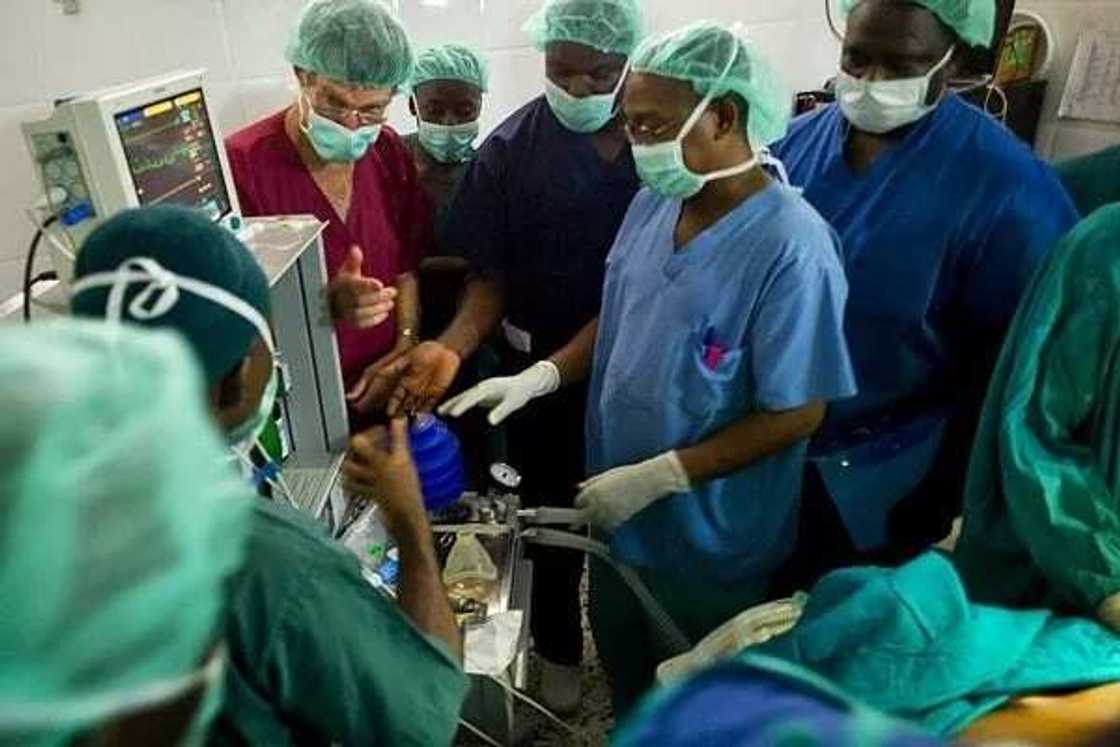
The clinical stage is where medical students begin applying their knowledge to real healthcare situations. Students spend more time in teaching hospitals, learning directly from doctors and interacting with patients under supervision.
During this period, students rotate through major medical departments, including Medicine, Surgery, Pediatrics, Obstetrics and Genecology, Community Medicine, and Psychiatry.
Clinical training teaches students how to take patient histories, perform physical examinations, interpret medical investigations, and develop treatment plans.
Students also learn professional skills such as communication with patients, teamwork with healthcare professionals, and ethical responsibilities expected of doctors.
The final stage of medical school ends with professional examinations. Students must successfully complete these examinations before they can graduate with an MBBS or MBChB degree.
What Happens After Medical School Graduation?
Many people assume that graduating from medical school immediately means becoming an independent doctor. However, there are additional mandatory steps before a medical graduate can fully practice medicine in Nigeria.
After completing the university programme, graduates must complete horsemanship and NYSC.
Horsemanship: The One-Year Medical Internship
Horsemanship is a compulsory one-year supervised clinical training programmed for newly qualified doctors.
During horsemanship, medical graduates work in approved hospitals and gain practical experience under the guidance of experienced doctors.
The training usually involves rotations through major areas of medicine, including Medicine, Surgery, Pediatrics, and Obstetrics and Genecology.
The purpose of horsemanship is to help new doctors develop confidence, improve clinical skills, and transition from medical student responsibilities to professional medical practice.
Horsemanship must be completed in a hospital recognized by the Medical and Dental Council of Nigeria (MDCN).
NYSC After Medicine and Surgery
After completing horsemanship, Nigerian medical doctors are required to participate in the National Youth Service Corps programme.
NYSC is a compulsory national service programme for Nigerian graduates. Medical doctors usually serve as medical officers during their service year, working in hospitals, clinics, or other healthcare facilities.
Although NYSC lasts one year, it forms an important part of the journey toward becoming a fully practicing doctor in Nigeria.
Total Years Required to Become a Doctor in Nigeria
For a student admitted through UTME, the minimum journey is usually around eight years from university admission to completing the major professional requirements.
This includes six years of studying Medicine and Surgery, one year of horsemanship, and one year of NYSC.
For Direct Entry students, the university period may be shorter, but the professional requirements after graduation remain the same.
However, some students may spend longer because medical education is highly demanding. Academic challenges, repeated examinations, strikes, and other disruptions can extend the total duration.
Further Training and Medical Specialization
Many doctors continue their education after completing their basic medical degree because they want to specialize in a particular area of medicine.
Specialization requires additional residency training, which can take several more years depending on the chosen field.
Doctors who specialize in areas such as Surgery, Neurosurgery, Pediatrics, Internal Medicine, Orthopedics, or Obstetrics and Genecology usually spend additional years receiving advanced training.
Because of this, becoming a consultant doctor can take more than ten years from the time a student first enters medical school.
Important Things to Consider Before Studying Medicine in Nigeria
Medicine and Surgery is one of the longest and most challenging university programmes in Nigeria. Students considering this career path should understand that success requires commitment, discipline, and consistent effort.
Medical students often spend long hours studying, attending lectures, participating in practical sessions, and completing clinical postings. The programme requires strong academic ability as well as emotional resilience because doctors deal with serious health conditions and patient responsibilities.
Choosing an accredited medical school is also important. Before applying, students should confirm that their preferred institution is recognized by official bodies such as the MDCN and the NUC.
Final Thoughts
Medicine and Surgery in Nigeria takes approximately six years at the undergraduate level for UTME students and about five years for Direct Entry candidates. However, becoming a fully practicing doctor requires additional professional training through horsemanship and NYSC.
The minimum journey from entering university to completing these major requirements is about eight years, although the actual timeline may be longer depending on individual circumstances.
Studying Medicine and Surgery requires dedication, patience, and a willingness to commit to many years of learning. For students who are passionate about healthcare and helping others, the long journey can lead to one of the most rewarding professional careers.
Always confirm the exact programme structure, admission requirements, and accreditation status of your chosen university through official sources because medical training requirements may differ slightly between institutions.
Leave a Reply