
Nigeria’s university system has experienced remarkable growth over the past few decades, with millions of students seeking higher education across federal, state, and private institutions. As universities continue to expand their programmes, campuses, distance-learning systems, and admission capacity, some institutions have grown into some of the largest universities in Africa by student population.
When discussing the most populated university in Nigeria, the answer depends on how the population is measured. Some universities have extremely high enrolment because they operate open and distance learning systems, while others have huge numbers of students physically attending campuses every day.
The National Open University of Nigeria (NOUN) stands far above all conventional universities because of its distance-learning model, with enrolment figures exceeding 500,000 students in some estimates. However, among traditional campus-based universities, institutions such as the University of Benin, University of Nigeria Nsukka, University of Lagos, and University of Ilorin consistently appear among the largest by student population.
This article explores the top 10 most populated universities in Nigeria by student count, examining their estimated enrolment, academic strengths, history, and the reasons behind their large student populations.
How University Population Is Measured in Nigeria
Ranking universities by student population is more complex than simply counting enrolled students because Nigerian universities operate different academic structures and study modes.
University population figures usually include undergraduate students who are pursuing first degrees, postgraduate students who are enrolled in master’s and doctoral programmes, part-time students who combine work with study, distance-learning students who study remotely through online or blended systems, diploma and certificate students who are enrolled in shorter professional or academic programmes, and professional programme students who are registered in specialized fields such as law, medicine, and education.
Since there is no single publicly available national database that consistently publishes updated enrolment figures for all Nigerian universities every year, population estimates are usually compiled from institutional reports, matriculation records, academic publications, and education research databases. Although the National Universities Commission (NUC) collects enrolment data from universities, detailed comparative rankings are not always publicly released in a consolidated format.
For this reason, the student population figures used in this guide should be understood as informed estimates based on the most recent available data rather than exact official counts.
Why Some Nigerian Universities Have Very Large Student Populations
The size of student populations in Nigerian universities is influenced by several interconnected academic, structural, and social factors that continue to shape higher education in the country.
One of the most important factors is high admission demand. Some universities receive extremely large numbers of applications every year because of their strong academic reputation, strategic location, and perceived value in the job market. Institutions such as the University of Lagos, University of Benin, and University of Ilorin are widely regarded as prestigious, which makes them highly competitive and consistently oversubscribed.
Another major factor is the presence of multiple campuses and expanded academic structures. Universities that operate more than one campus or have large faculty systems are able to admit and accommodate more students. Institutions such as the University of Nigeria, Nsukka, and Ahmadu Bello University have expanded their physical and academic reach over time, allowing them to serve a much larger student base.
Distance learning programmes have also significantly changed how university population is measured in Nigeria. The National Open University of Nigeria operates a unique system that does not rely on traditional classroom-based attendance. Instead, it uses study centers across the country combined with digital and printed learning materials. This structure allows it to enroll hundreds of thousands of students simultaneously, making it the largest university in Nigeria by total enrollment.
Finally, the wide range of academic programmes offered by large universities contributes significantly to their population size. Institutions that provide courses across medicine, engineering, law, agriculture, education, sciences, social sciences, business, and technology naturally attract more students because they cater to a broader range of academic interests and career goals.
Top 10 Most Populated Universities in Nigeria by Student Count
1. National Open University of Nigeria (NOUN)
The National Open University of Nigeria is widely recognized as the largest university in the country by student population, with estimates exceeding 500,000 students. Its scale is made possible by its open and distance-learning system, which allows students to study without being physically present on a single campus.
Instead of traditional lecture halls, NOUN operates through a network of study centers spread across Nigeria, supported by online platforms, printed course materials, and digital learning resources. This flexible structure enables students to learn at their own pace while balancing work, family, and other responsibilities.
The university attracts a diverse group of learners, including working professionals seeking career advancement, entrepreneurs who want formal qualifications, civil servants upgrading their education, parents returning to school after long breaks, and individuals in remote areas who may not have access to conventional universities. Because of this inclusiveness, NOUN has become one of the most accessible higher education institutions in Nigeria.
Although it leads in student population, NOUN is often evaluated separately from traditional universities because its learning model is fundamentally different from campus-based education.
2. University of Benin (UNIBEN), Edo State
The University of Benin is one of the largest conventional universities in Nigeria, with an estimated student population ranging between 60,000 and 77,000. Located in Benin City, Edo State, the institution is a federal university known for its strong academic standards and wide range of professional programmes.
UNIBEN has built a solid reputation in fields such as medicine, law, engineering, pharmacy, education, social sciences, and management sciences. Its academic strength in these areas has made it a preferred choice for students across the country.
The university’s large population is also supported by its long history and influential alumni network. Over the years, it has produced graduates who have gone on to become leaders in government, business, healthcare, and the legal profession. This strong legacy continues to attract new students annually, making UNIBEN one of the most vibrant academic communities in Nigeria.
3. University of Nigeria, Nsukka (UNN), Enugu State
The University of Nigeria, Nsukka is one of the most historically significant universities in the country and is widely regarded as Nigeria’s first indigenous university. Established in 1955, it has grown into a major academic institution with an estimated student population of about 60,000.
UNN operates across multiple campuses, including Nsukka and Enugu, which allows it to accommodate a large and diverse student body. The university offers a broad range of academic programmes across medicine, engineering, agriculture, law, social sciences, humanities, and education.
Its large student population is supported by its extensive faculty structure, strong postgraduate programmes, and national reputation for academic excellence. UNN’s historical importance and long-standing academic tradition continue to make it one of the most sought-after universities in Nigeria.
4. University of Lagos (UNILAG), Lagos State
The University of Lagos is one of Nigeria’s most competitive and prestigious universities, with an estimated student population between 50,000 and 60,000. Located in Akoka, Lagos, it benefits significantly from its position in Nigeria’s commercial and economic hub.
UNILAG offers students access to industries, financial institutions, technology companies, and international organisations, which enhances both academic learning and career opportunities. The university is widely recognized for its strong academic reputation and research output, and it has consistently appeared in global university rankings, including the Times Higher Education rankings.
Its academic structure covers engineering, medicine, law, business, sciences, arts, social sciences, and education. Due to its high demand and competitive admission process, UNILAG remains one of the most sought-after universities in the country.
5. University of Ilorin (UNILORIN), Kwara State
The University of Ilorin is one of Nigeria’s largest and most stable universities, with a student population exceeding 50,000. It is particularly well known for maintaining a relatively uninterrupted academic calendar compared to many other institutions in the country.
This stability has significantly increased its attractiveness among students and parents who value consistent academic progression. UNILORIN offers programmes in medicine, engineering, law, agriculture, sciences, education, and management sciences.
Its reputation for academic discipline, combined with its wide range of professional courses, has made it one of the most competitive and highly demanded universities in Nigeria.
6. Ahmadu Bello University (ABU), Zaria
Ahmadu Bello University is one of Nigeria’s oldest and largest universities, with an estimated student population ranging between 35,000 and 54,000. Located in Zaria, Kaduna State, it serves a large population of students, particularly from northern Nigeria, while also attracting students from other regions.
ABU has one of the most extensive academic structures in the country, offering programmes in agriculture, veterinary medicine, engineering, sciences, social sciences, education, and law. Its size is reflected not only in student numbers but also in its vast academic facilities, research centers, and institutional influence across Nigeria’s higher education system.
7. Bayero University Kano (BUK), Kano State
Bayero University Kano has an estimated student population of about 45,000, making it one of the largest universities in northern Nigeria. The institution has experienced steady growth over the years, expanding its academic offerings and increasing its student intake capacity.
BUK is known for programmes in medicine, engineering, sciences, Islamic studies, social sciences, and management sciences. Its location in Kano, one of Nigeria’s largest and most economically active cities, contributes significantly to its high student demand and large catchment area.
8. University of Ibadan (UI), Oyo State
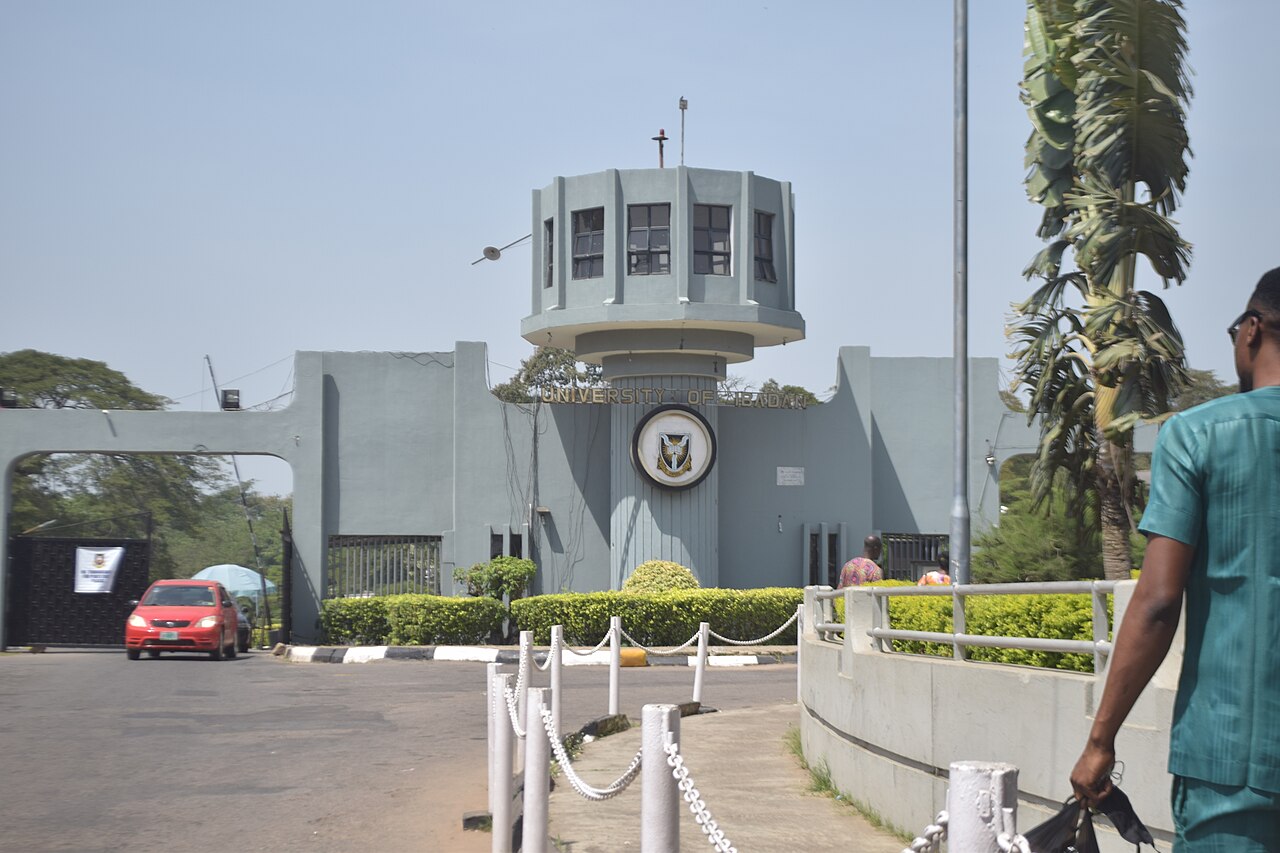
The University of Ibadan is Nigeria’s oldest university and one of the most respected academic institutions in Africa, with an estimated student population of over 40,000. Although it is not always among the largest in terms of enrolment, it remains highly influential due to its strong research output and postgraduate focus.
UI is known for excellence in medicine, agriculture, veterinary medicine, sciences, humanities, and social sciences. Its reputation is built more on academic excellence, research impact, and intellectual contribution than on student population size alone. It continues to rank among Nigeria’s top universities in international assessments.
9. University of Abuja (UNIABUJA), Federal Capital Territory
The University of Abuja has experienced rapid growth, with an estimated student population ranging between 35,000 and 55,000. Its strategic location in Nigeria’s capital city gives it a unique advantage, attracting students interested in governance, public administration, law, political science, sciences, engineering, and management studies.
The university benefits from proximity to government institutions, international organizations, and professional bodies, which enhances academic exposure and career opportunities for its students. UNIABUJA continues to expand as one of Nigeria’s key federal universities.
10. University of Maiduguri (UNIMAID), Borno State
The University of Maiduguri has an estimated student population ranging from 25,000 to over 50,000, making it one of the largest universities in northeastern Nigeria. Despite regional challenges, the institution has remained a vital center for education and research.
UNIMAID offers programmes in medicine, agriculture, engineering, sciences, education, and social sciences. Its importance extends beyond its student population, as it serves as a major educational hub for the entire northeastern region of Nigeria.
Other Nigerian Universities With Large Student Populations
Several other universities in Nigeria also maintain significant student enrolments and play important roles in the country’s higher education system.
Nnamdi Azikiwe University, located in Awka, Anambra State, is one of the largest universities in southeastern Nigeria, offering a wide range of programmes in medicine, law, engineering, sciences, and humanities, which continues to attract a large student population.
Obafemi Awolowo University in Ile-Ife is widely regarded as one of Nigeria’s most prestigious universities, with a strong academic reputation that supports a large and active student community across multiple disciplines.
The University of Port Harcourt is another major institution with strong academic presence in engineering, medicine, sciences, and petroleum-related fields, making it highly attractive to students interested in technical and professional careers.
Federal University Oye-Ekiti has also experienced rapid expansion in recent years, becoming one of the fastest-growing federal universities in Nigeria due to increased programme offerings and rising student demand.
Largest Conventional Universities in Nigeria (Excluding NOUN)
When the National Open University of Nigeria is excluded due to its distance-learning structure, the largest conventional universities in Nigeria are generally considered to include the University of Benin, University of Nigeria Nsukka, University of Lagos, University of Ilorin, Bayero University Kano, Ahmadu Bello University, University of Abuja, and University of Maiduguri. These institutions all have tens of thousands of students who are physically or institutionally connected to their campuses.
Student Population vs University Quality: Does Size Matter?
A large student population does not automatically determine the quality of a university. While size may reflect popularity, accessibility, or programme diversity, it does not necessarily indicate academic excellence.
Some universities are large because they offer many academic programmes, have high admission capacity, operate distance-learning systems, or maintain multiple campuses. However, true academic quality is also influenced by teaching standards, research output, accreditation status, availability of facilities, graduate employability, and industry connections.
In some cases, smaller universities may perform better than larger ones in specific academic disciplines due to focused resources and specialised training environments.
Challenges Facing Nigeria’s Largest Universities
Large universities in Nigeria often face significant operational and infrastructural challenges due to their size and growing student populations.
One of the most common challenges is overcrowding, which places pressure on lecture halls, student hostels, laboratories, libraries, and other essential academic facilities. This can affect the overall learning experience if not properly managed.
Another major issue is infrastructure pressure, as increasing enrolment requires continuous investment in buildings, equipment, and modern learning technologies to maintain academic standards.
Administrative complexity is also a major concern, as managing tens of thousands of students requires efficient systems for registration, examinations, academic records, and student support services.
Finally, funding challenges remain a persistent issue, especially for public universities that rely heavily on government funding. Limited financial resources can slow down expansion and affect the quality of facilities and services.
Final Thoughts
The most populated universities in Nigeria reflect the country’s growing demand for higher education and the diversity of its academic system. The National Open University of Nigeria remains the largest by total student population due to its unique distance-learning model, while traditional universities such as the University of Benin, University of Nigeria Nsukka, University of Lagos, and University of Ilorin continue to lead among campus-based institutions.
However, university selection should not be based solely on size. Students are encouraged to consider academic programmes, institutional reputation, accreditation, facilities, location, and long-term career opportunities when choosing where to study. Ultimately, the best university is the one that aligns most closely with a student’s academic goals and professional aspirations.
Leave a Reply